










 By
By 
Ask a clinic which testosterone to start on and the answer usually depends on what that clinic is set up to sell. Injections if there is a nurse. Pellets if there is a procedure room. Gel if the whole thing runs by mail. None of that is a clinical argument, and the eight approved routes genuinely are not interchangeable: they differ in how flat your levels sit, who else in your house is at risk, and whether your sperm count survives the year.
Get emergency care now if you are on testosterone therapy and develop sudden leg swelling and pain, chest pain, or shortness of breath – these can signal a blood clot, a recognized risk of TRT.
See a doctor soon if you have low-testosterone symptoms (fatigue, low libido, mood changes) and have not had bloodwork, or if you are on TRT and have not had follow-up labs in the recommended window.
A routine visit is fine to discuss symptoms that are mild or have been stable for a while.
Who to see: a primary care doctor can order initial labs; an endocrinologist or urologist specializing in men’s health manages ongoing TRT.
Worth asking: what your actual free and total testosterone numbers were, and whether TRT’s known risks (blood clots, fertility suppression, polycythemia) were discussed before starting.
Every method raises testosterone. What separates them is the shape of the curve and the trade-off attached. Intramuscular cypionate every two weeks is the cheapest and the least steady, at roughly 1,112 ng/dL at day four, near 400 ng/dL by day fourteen. Daily gels are steady but carry a boxed warning because children have been virilized by skin contact. Pellets last three to six months and cannot be taken back out easily; about one in ten extrudes. Nasal gel is the only formulation with published evidence that sperm production continues, and that evidence is one uncontrolled trial. All of them suppress fertility except, possibly, that last one.
| Widest swing between doses | IM cypionate every 2–4 weeks: about 1,112 ng/dL at day 4–5, about 400 ng/dL by day 14 |
|---|---|
| Steadiest day to day | Daily transdermal gel, and weekly subcutaneous enanthate dosed off a day-7 trough |
| Longest gap between doses | Pellets, implanted every 3–6 months; Aveed injections every 10 weeks after loading |
| Most doses per day | Nasal gel: 11 mg per dose, three times daily, 6–8 hours apart |
| Boxed warning still in force | Transdermal gels, for secondary exposure and virilization in children |
| Boxed warnings removed in 2025 | Cardiovascular language class-wide (28 February 2025); the blood-pressure boxed warnings on Xyosted and Jatenzo |
| Pellet extrusion rate | About 10% |
| Still not approved for | Low testosterone caused simply by ageing (the limitation of use was kept) |
The data: Testosterone formulations dataset – all 8 US routes compared in one table.
What are the actual options, side by side?
Eight routes are approved in the United States. The pharmacokinetic figures below come from the published prescribing information and from a review of testosterone preparations in Translational Andrology and Urology; the adverse-event percentages come from each product’s own label.
| Method | Typical schedule | Level pattern | The catch |
|---|---|---|---|
| IM cypionate or enanthate | 50–400 mg every 2–4 weeks, or 75–100 mg weekly | Peak about 1,112 ng/dL at day 4–5, falling to about 400 ng/dL by day 14 | Mood and libido track the cycle; injection-site pain |
| SC enanthate auto-injector (Xyosted) | 75 mg weekly into the abdomen | Flatter than IM; dose adjusted on a trough drawn 7 days after the shot | Label reports raised hematocrit in 14.0%, hypertension in 12.7%, raised PSA in 12.0% |
| IM undecanoate (Aveed) | 750 mg, again at 4 weeks, then every 10 weeks | Peak about 813 ng/dL by day 7; trough 323–339 ng/dL at week 10 | Boxed warning for pulmonary oil microembolism and anaphylaxis; 30 minutes of observation after every dose, under a restricted programme |
| Transdermal gel (AndroGel, Testim, Fortesta, Vogelxo) | 40–100 mg daily depending on the product | In range within 1–2 days, then steady | Boxed warning for transfer to others; no swimming or showering for at least 5 hours |
| Transdermal patch (Androderm) | 2–6 mg nightly, starting at 4 mg | Peak about 765 ng/dL around 8 hours; roughly mimics the natural daily rhythm | Skin irritation in 48% of users |
| Nasal gel (Natesto) | 11 mg per dose (5.5 mg per nostril), three times daily | Peak within 40 minutes; 24-hour average about 421 ng/dL | Three doses a day forever; nosebleed, runny nose, nasal scabbing |
| Oral undecanoate (Jatenzo and similar) | 158–396 mg twice daily, with food | Absorbed through the lymphatics, bypassing first-pass liver metabolism | Ambulatory monitoring showed blood pressure up 4.9/2.5 mm Hg; useless without a fatty meal |
| Subcutaneous pellets (Testopel) | 150–450 mg implanted every 3–6 months | Peak about a month after implant, then sustained for 4–6 months | Minor surgical procedure; extrusion in about 10%; very hard to reverse if you react badly |
A buccal tablet held against the gum also exists on paper. It worked, with levels held between roughly 580 and 700 ng/dL, but gum irritation affected about 18% of users and it has effectively disappeared from practice.
Which method keeps levels steadiest?
This is the question most men are actually asking when they ask which method is “best”, because the complaint that drives people to switch is rarely a lab value. It is the week-three slump.
Long-interval intramuscular dosing is the worst offender by design. A 200 mg shot every two weeks puts you well above the reference range for several days and near the bottom of it by the time the next one is due. The ester has not failed; it is doing exactly what an oil depot does. Splitting the same monthly total into weekly or twice-weekly doses flattens the curve without changing the drug, which is why weekly dosing has quietly become the default in andrology practice even though the older label language allows the longer gap.
Daily routes (gel, patch, oral, nasal) are steadier across weeks but introduce a within-day peak and trough instead. The patch is the only one that deliberately reproduces the overnight rise and morning peak of natural secretion. Whether that matters clinically has never been demonstrated in a trial with symptom endpoints, and it would be dishonest to claim otherwise.
Pellets give the flattest long curve of all, at the cost of control. If the dose is wrong, you live with it for months.
Related: All testosterone articles
Which method is riskiest for the people around you?
Only one class of testosterone product carries a boxed warning about somebody other than the patient, and it is the one most often prescribed by mail.
The gel label is blunt: virilization has been reported in children secondarily exposed to testosterone gel. The reported effects in children include enlargement of the genitals, pubic hair, increased erections and libido, aggressive behaviour, and advanced bone age. The handling instructions are not optional garnish: wash hands with soap and water straight after applying, cover the site with clothing once the gel has dried, wash the site thoroughly before any skin-to-skin contact, and do not swim or shower for at least five hours.
If there are small children in the house, or a partner who is pregnant or trying to be, that warning should weigh more heavily than convenience. Injections, pellets and nasal gel carry no equivalent transfer risk.
If you want children, does the method matter?
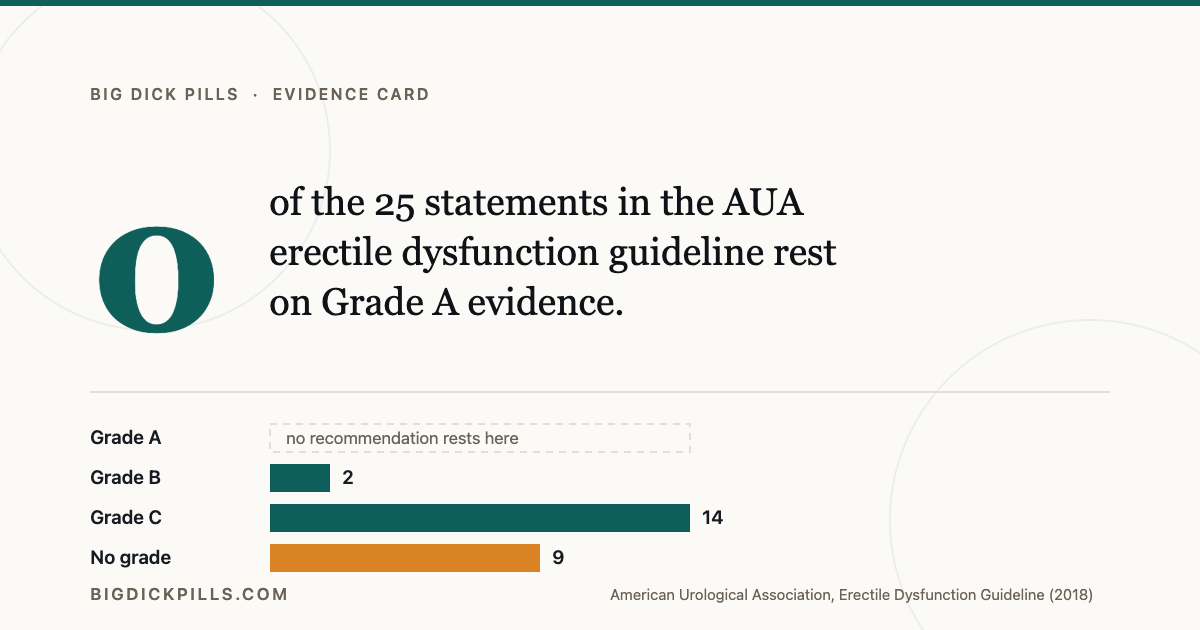
For seven of the eight routes, no. Exogenous testosterone suppresses the pituitary signals that drive sperm production, and the American Urological Association is unambiguous about the consequence: testosterone therapy should not be prescribed to men currently trying to conceive. That is a strong, Grade A recommendation, not a cautious aside. The guideline instead points to human chorionic gonadotropin, selective estrogen receptor modulators such as clomiphene, aromatase inhibitors, or a combination, for men who need treatment and want to stay fertile.
Nasal gel is the interesting exception. Because it is absorbed and cleared quickly, three times a day, the theory is that the pituitary is never suppressed long enough to shut spermatogenesis down. A single-centre trial tested it.
| Natesto, 11 mg three times daily, 6 months | Result |
|---|---|
| Reached normal testosterone (>300 ng/dL) at 6 months | 90.9% |
| FSH held within the normal range at 6 months | 81.8% |
| LH held within the normal range at 6 months | 72.7% |
| Total motile sperm count stayed above 5 million at 6 months | 93.9% |
| Men enrolled / evaluated at 6 months | 60 / 33 |
Those numbers are real and they were published in The Journal of Urology. They are also routinely quoted as if nasal testosterone has been shown to preserve fertility, which overstates what the study can support. It was open-label, single-arm and single-centre: there was no gel or injection comparison group, so nothing in it separates the drug from the men who chose it. Sixty men enrolled and 33 were evaluated at six months, so nearly half the cohort is missing from the headline percentages, and men who do worst are the likeliest to drop out. A 5 million total motile count is also a low bar; it is well beneath the 15 million per mL reference figure used in semen analysis.
None of that makes the finding wrong. The mechanism is plausible and the signal points the right way. It means the honest sentence is “promising, and not yet confirmed against a comparator”, and any clinic quoting it as settled is quoting past its evidence. If you are actively trying to conceive, the AUA advice stands regardless of route.
Did the FDA really drop the boxed warnings?
Partly, and the half that gets repeated is the flattering half.
On 28 February 2025 the FDA ordered class-wide labelling changes for every testosterone product. It removed the boxed-warning language about increased cardiovascular risk, on the strength of the TRAVERSE trial: 5,198 men at high cardiovascular risk, major cardiac events in 7.0% on testosterone gel against 7.3% on placebo. In the same action it required product-specific blood pressure information for every product with a completed ambulatory monitoring study, and a new blood pressure warning for products that had none. The agency’s own summary is that those studies confirmed an increase in blood pressure across the class. It also kept the limitation of use saying these products are not established for low testosterone caused simply by ageing.
Separately, two products that carried their own boxed warning for raised blood pressure (the Xyosted auto-injector and the oral undecanoate Jatenzo) had those removed during 2025. Blood pressure now sits in Warnings and Precautions on both labels rather than in a box, with the underlying figures unchanged: 3.9/1.5 mm Hg for Xyosted at week 12, 4.9/2.5 mm Hg for Jatenzo at four months.
A large amount of otherwise accurate material online still states that Xyosted and Jatenzo carry boxed warnings for blood pressure. That was correct until 2025 and is now out of date. It is worth checking the revision date on any label summary you are relying on, because three separate things changed in the same year and they are easy to conflate: the cardiovascular language came out of every box, blood pressure warnings went in or were expanded, and two individual blood-pressure boxes were retired.
So which one should you ask for?
The AUA guideline deliberately does not rank them. It makes one procurement point, to use commercially manufactured products rather than compounded testosterone where possible, and otherwise leaves the choice to the consultation. That is the correct posture, because the deciding factor is usually about your life rather than your chemistry.
Weekly or twice-weekly injection of generic cypionate or enanthate is the cheapest route and the only one available as a generic, and self-injecting subcutaneously is a smaller ask than most men expect. Gel suits people who will not inject, provided nobody small lives in the house. Nasal is for the man who wants treatment and children in the same year, understanding the evidence behind that is thin. Pellets suit people who genuinely will not remember anything more often than twice a year, and who accept that the dose is then locked in. Oral works if you eat properly twice a day and your blood pressure has room in it.
Whatever the route, the monitoring does not change. Diagnosis needs two separate early-morning total testosterone measurements below 300 ng/dL. Hemoglobin and hematocrit are checked before starting, because polycythemia is the most common reason to stop.
Common questions about testosterone delivery methods
Are testosterone injections better than gel?
Neither is better in general and the AUA guideline does not rank formulations. Injections are cheaper, available as generics and carry no transfer risk to other people, but long-interval intramuscular dosing swings from about 1,112 ng/dL at day four to about 400 ng/dL by day fourteen. Gel holds levels steady from day one or two but carries a boxed warning because children have been virilized by skin contact with treated men.
Which testosterone method does not kill your sperm count?
All of them suppress sperm production except possibly nasal gel, which is dosed three times daily and cleared quickly. In one open-label single-arm trial of 60 men, 93.9% of the 33 evaluated at six months still had a total motile sperm count above 5 million. That trial had no comparison group, so the finding is promising rather than proven. The AUA advises that testosterone should not be prescribed at all to men currently trying to conceive, and points to hCG, clomiphene or aromatase inhibitors instead.
How often do testosterone pellets need replacing?
Every three to six months. Pellets of 150 to 450 mg are implanted under the skin, levels peak about a month later and are sustained for four to six months. The trade-off is control: the dose cannot be adjusted once implanted, and about 10% of pellets work their way back out through the incision.
Does testosterone still have a boxed warning for heart attacks?
No. The FDA removed cardiovascular language from the boxed warning of all testosterone products on 28 February 2025, after the TRAVERSE trial found major cardiac events in 7.0% on testosterone against 7.3% on placebo. In the same action it added or expanded blood pressure warnings class-wide, having confirmed a blood pressure increase across all products, and it kept the statement that these products are not established for low testosterone caused simply by ageing.
Is weekly testosterone better than every two weeks?
For steadiness, yes. Splitting the same monthly amount into weekly or twice-weekly doses flattens the peak-and-trough pattern that produces the familiar week-three slump, without changing the drug or the total dose. Weekly subcutaneous dosing is now common in andrology practice, and the Xyosted auto-injector is licensed for exactly that at 75 mg weekly.
Which testosterone is cheapest?
Injectable testosterone cypionate and enanthate, because they are the formulations available as generics. Pellets, nasal gel, oral undecanoate and the auto-injector are brand-only, and the long-acting undecanoate injection additionally requires 30 minutes of supervised observation after each dose, which adds a clinic visit to the cost.
Sources
- Shoskes JJ, Wilson MK, Spinner ML. Pharmacology of testosterone replacement therapy preparations. Translational Andrology and Urology, 2016;5(6):834–843. Transl Androl Urol
- FDA issues class-wide labeling changes for testosterone products. U.S. Food and Drug Administration, 28 February 2025. FDA
- XYOSTED (testosterone enanthate) injection, prescribing information. DailyMed
- JATENZO (testosterone undecanoate) capsules, prescribing information, revised July 2025. FDA label
- ANDROGEL (testosterone gel), prescribing information, boxed warning on secondary exposure. FDA label
- Ramasamy R, Masterson TA, Best JC, et al. Effect of Natesto on Reproductive Hormones, Semen Parameters and Hypogonadal Symptoms: A Single Center, Open Label, Single Arm Trial. The Journal of Urology, 2020;204(3):557–563. PubMed
- Mulhall JP, Trost LW, Brannigan RE, et al. Evaluation and Management of Testosterone Deficiency: AUA Guideline. American Urological Association, 2018, validity confirmed 2024. AUA
- Lincoff AM, Bhasin S, Flevaris P, et al. Cardiovascular Safety of Testosterone-Replacement Therapy. New England Journal of Medicine, 2023. NEJM
This article is for information only and is not medical advice. It cannot account for your individual circumstances. Talk to a doctor about your own situation, particularly before starting or stopping any prescription medication.
Cite this page: Big Dick Pills, “Testosterone Injections vs Gel vs Pellets: What Actually Separates Them”, bigdickpills.com/testosterone-male-vitality/testosterone-injection-vs-gel-vs-pellets/ (updated ).
Source links on this site are checked every month; last check . How sources are checked.