






 Topic hub
General Men’s Health
Sleep, bloodwork, screening, skin, and the unglamorous baseline stuff. Most of what improves the specific complaints elsewhere on this site starts here.
Start here
This is the unglamorous section, and it is the one that does the most work. Most of what improves the specific complaints elsewhere on this site starts here, with sleep, blood pressure, drinking, and a short list of tests that are actually worth having.
Start with a finding that surprises most people. A Cochrane review pooled 15 randomised trials covering 251,891 people and found that general health checks, the annual once-over as a package, do not lower death rates. Total mortality was identical: a risk ratio of 1.00, with high-certainty evidence. Cardiovascular and cancer mortality came out the same way.
That does not mean screening does not work. Colonoscopy works. Treating blood pressure works. What the trials tested was the bundle, and the bundle adds nothing beyond its evidence-based components while generating findings that lead somewhere unhelpful. So the useful question is never “should I get a physical.” It is which specific tests, at what age, and why.
What the evidence supports
A short list of screens has real evidence behind it. Blood pressure from 18. HIV once between 15 and 65. Hepatitis C once in adulthood. Diabetes screening from 35 if you carry extra weight. Cardiovascular risk assessment from 40. Colorectal cancer from 45, not 50, which changed in 2021 and a lot of men still have the old number in their heads. Lung CT from 50 with a 20 pack-year history. One aortic ultrasound at 65 if you have ever smoked.
Sleep apnea is the most under-diagnosed common condition in men. An estimated 936 million adults worldwide have it, roughly 80% of moderate-to-severe cases are never diagnosed, and it drives high blood pressure, daytime exhaustion and erectile dysfunction. Men are affected two to three times as often as women.
The alcohol evidence is genuinely contested and the guidelines have stopped giving a number. The 2025 Surgeon General’s advisory established alcohol as a cause of at least seven cancers; the National Academies found moderate drinking associated with lower all-cause mortality at moderate certainty. In January 2026 the Dietary Guidelines dropped their numeric limits altogether.
PSA screening is a genuine judgement call, not a routine test. Per 1,000 men screened over 13 years: 1.3 prostate cancer deaths prevented, 100 diagnosed, and about 50 left with sexual dysfunction after treatment. Those numbers are why it is graded as an individual decision.
Which article you need
Start with the health checks worth having, by age. The full evidence-graded list, plus what is deliberately left off it and why.
If you snore, wake unrefreshed, or have blood pressure that will not come down, read sleep apnea in men. It includes the eight-question STOP-Bang screen you can run on yourself in a minute.
Alcohol and men’s health covers the two 2025 reviews, why they only appear to contradict each other, and the specific effects on testosterone, erections and sleep.
And if you are between 55 and 69, the PSA decision lays out the full benefit-and-harm arithmetic so you can make it rather than have it made for you.
If you act on one thing here, make it blood pressure. It is the only Grade A screen applying to every adult from 18, it produces no symptoms at all, and the trial that tested treating it harder was stopped early for benefit.
Colorectal screening starts at 45 now, not 50: the age moved because incidence in adults aged 40 to 49 rose almost 15%. There are six approved methods and colonoscopy is only one of them.
Sixty minutes of resistance training a week was associated with a 26% lower risk of death from any cause. More than that was not better, which is not the shape most men assume.
And vitamin D is the clearest illustration on this site of a marker being mistaken for a mechanism: 25,871 people, five years, no reduction in cancer or cardiovascular events.
And if you have only ever been given a single cholesterol number, which one actually predicts a heart attack explains why apoB counts particles while LDL-C counts the cholesterol inside them, what happens in the roughly one man in five where the two disagree, and why Lp(a) is worth measuring exactly once in your life.
And if you have found something and are deciding whether it matters, what is worth checking and what happens next sets out how a tumour, a cyst, a varicocele and a torsion differ on examination, why the US Preventive Services Task Force recommends against routine screening while European urologists still encourage self-examination, and what the diagnostic pathway actually involves.
What else is worth reading
The connections outward from this section are the point of it. A new erection problem in a man over 40 is a cardiovascular signal before it is a sexual one: the ED pillar explains the vessel-calibre mechanism behind that.
Fatigue, low mood and low libido send a great many men looking for a testosterone problem when the actual cause is sleep, drinking or depression presenting the way it usually does in men.
Weight and metabolic health sits upstream of blood pressure, diabetes risk, sleep apnea severity and testosterone all at once.
And STI testing intervals belong on the same list as everything else here, HIV screening is a Grade A recommendation, which puts it alongside blood pressure rather than in a separate category.
Related topics
The metabolic side of this section continues in weight and metabolic health. Erection problems as an early cardiovascular sign are covered in erectile dysfunction, mood and depression in mental health and libido, and STI screening in sexually transmitted infections.
All articles in this section
-

Testicular Lumps: What Is Worth Checking, and What Happens Next
The most common solid cancer in young men, and the one where waiting costs the most. Five-year survival runs 99 percent localised and 72 percent once it has spread.
-
Which Cholesterol Number Actually Predicts a Heart Attack
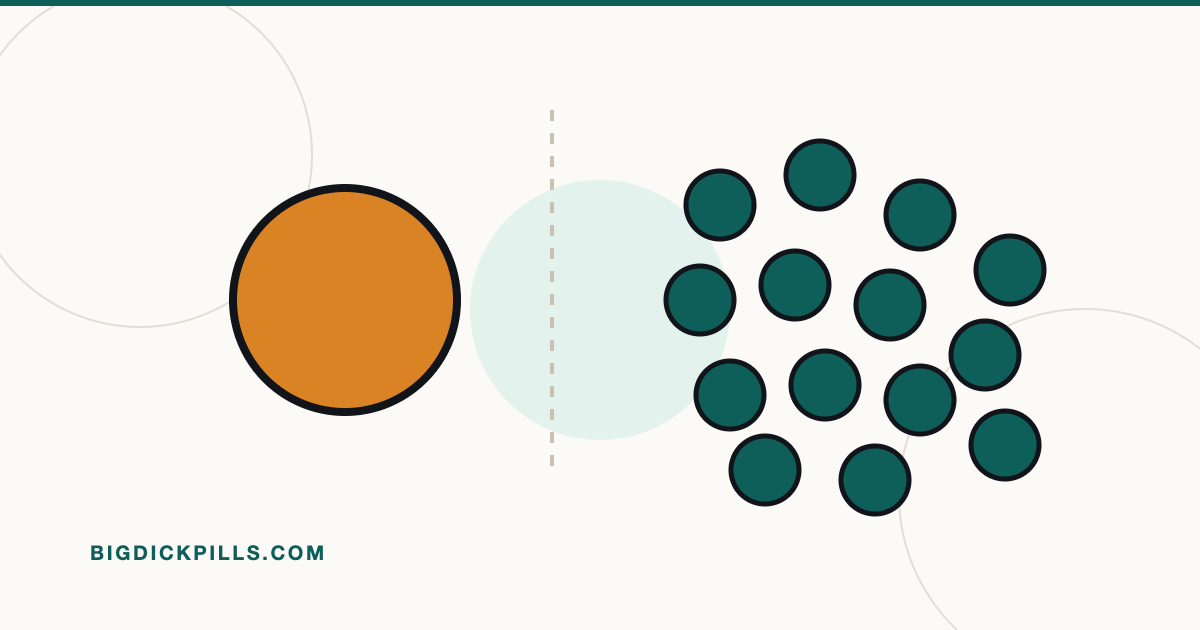
LDL-C measures cholesterol mass. ApoB counts particles. They usually agree, but one adult in five is discordant, and three independent methods say the particle count is the one that causes events.
-

PSA Screening: The Numbers Behind a Decision Nobody Will Make For You
Per 1,000 men screened: 1.3 prostate cancer deaths prevented, 100 diagnosed, about 50 left with sexual dysfunction. Why the recommendation is a conversation, and how to have it.
-

Alcohol and Men’s Health: What the 2025 Reviews Actually Found
Two federal reviews landed weeks apart and seemed to contradict each other, and then the dietary guidelines dropped their numeric limits. What the evidence says about alcohol, cancer, testosterone, erections and sleep.
-

Sleep Apnea in Men: The Condition Behind the Snoring
Around 80% of moderate-to-severe sleep apnea is never diagnosed. What it does to blood pressure, mood and erections, how to screen yourself in eight questions, and what treatment actually delivers.
-

The Health Checks Worth Having, by Age
The annual physical, as a package, does not lower death rates. A short list of specific screens does. Here is that list, by age, with the evidence grade for each.
-

Vitamin D: What the Biggest Trial Actually Found
25,871 people, 2,000 IU a day, five years. No reduction in cancer. No reduction in major cardiovascular events. And screening healthy adults is graded “we do not know.”
-

Strength Training and How Long You Live: The Dose Is Smaller Than You Think
A meta-analysis found any resistance training cut all-cause mortality 15%, with the maximum benefit at about 60 minutes a week. More was not better. Combined with cardio, the reduction reached 40%.
-

Colorectal Screening Starts at 45 Now, Not 50
The start age moved in 2021 because incidence in adults aged 40 to 49 rose almost 15%. There are six approved ways to screen, and the best one is the one you will actually…
-

Blood Pressure: The Highest-Value Number in Men’s Health
It is the only Grade A screen that applies to every adult from 18, it causes no symptoms until it causes a stroke, and the trial that tested treating it harder was stopped early…